Build Guides
Step-by-step builds that have actually been built. Materials, costs, and the mistakes already made for you.
 Or open the Parts Bin: start from what you already own →

Level Up Your Cyberdeck: Custom Battery Pack and a Hand-Wired Keyboard
Take the beginner cyberdeck off the power bank and off the off-the-shelf keyboard. Build a safe multi-cell battery pack that runs all day, and wire your own keyboard matrix that types exactly the layout you want.
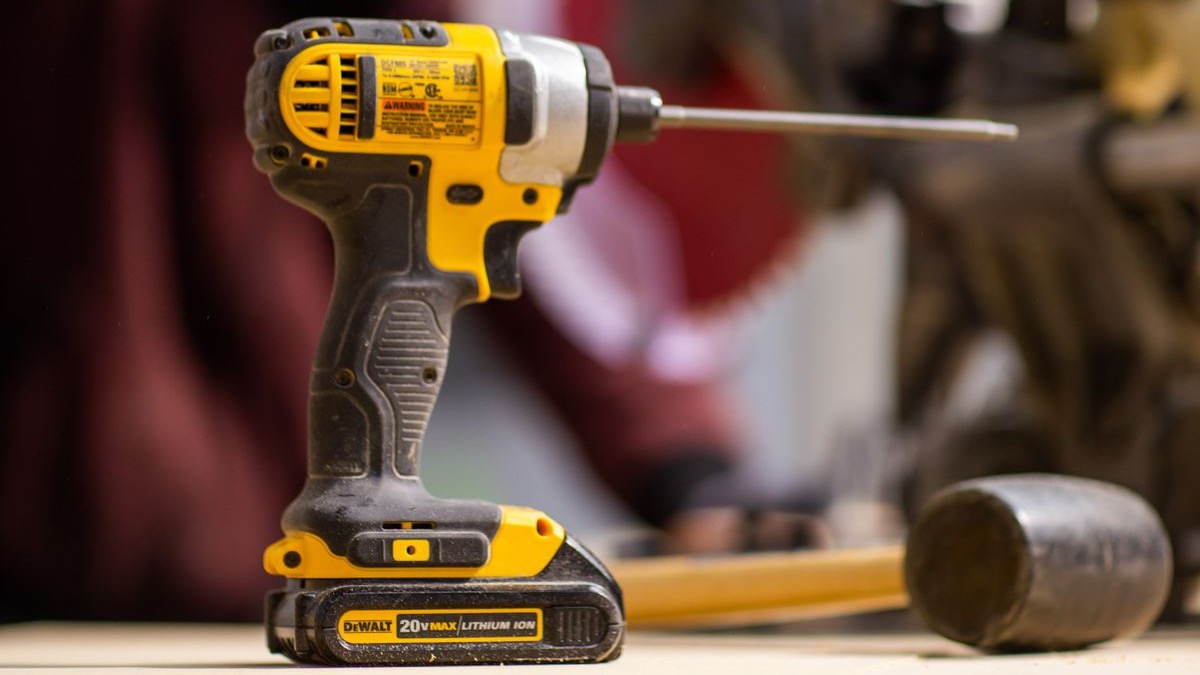

Revive a Dead Cordless Drill by Rebuilding Its Battery Pack
The drill still works - it's the battery that died, and the replacement pack costs more than the drill did. Crack the pack open, swap in fresh cells with pre-welded tabs, and the tool you already own goes back to work for about a third of the price.

Turn an Old Laptop into a Home Media Server with Jellyfin
That laptop in the closet becomes a private Netflix for your whole house - your movies, shows, music, and family videos, streamed to every TV and phone, with no subscription and nothing leaving your home.

Build a Solar Food Dehydrator from an Old Window and Scrap Wood
A salvaged window, some plywood, and black paint become a zero-electricity dehydrator that turns garden surplus into shelf-stable food - apple chips, jerky-thick tomato halves, and dried herbs, powered entirely by an afternoon of sun.
 Featured
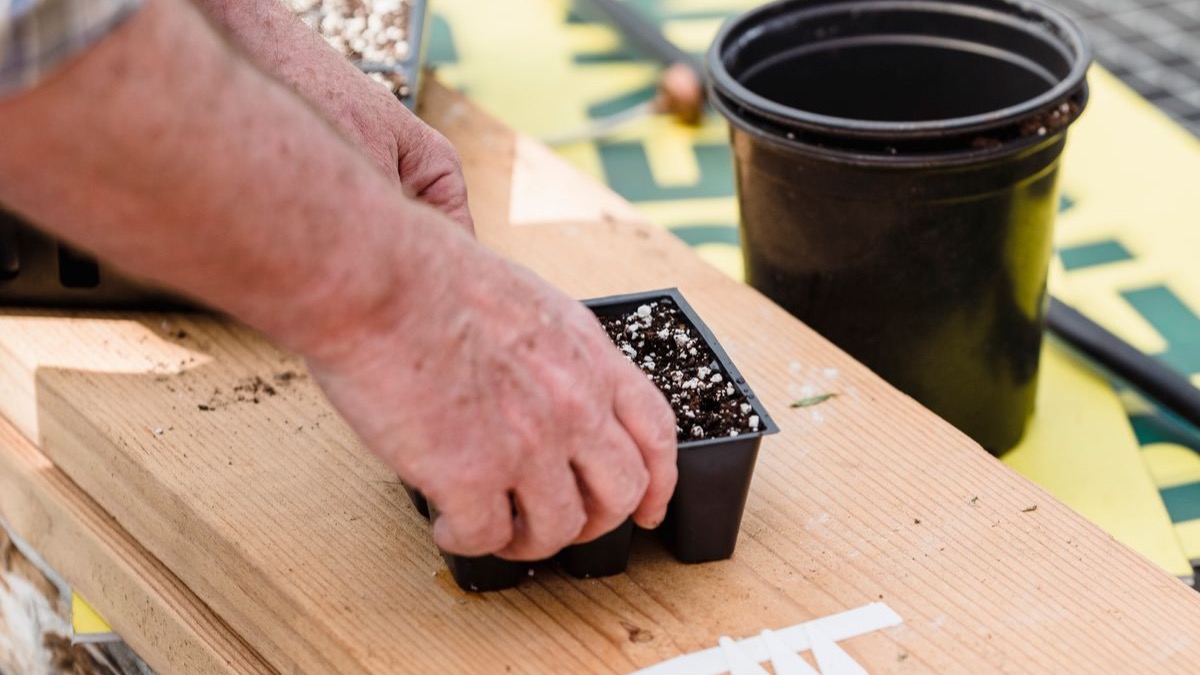
Build an Automated Seed-Starting Station for Under $150
A shelf, shop lights, a heat mat, and two timers become a hands-off nursery that starts hundreds of vegetable seedlings a season - no greenhouse, no daily fussing.
 Featured
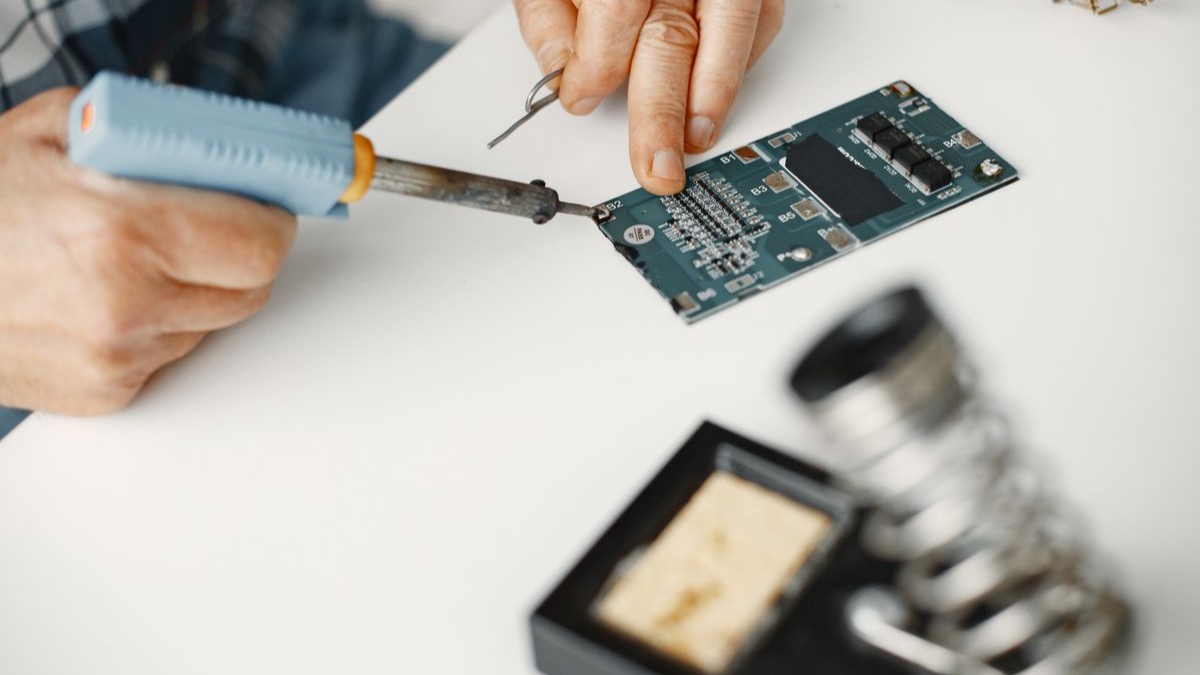
Build Your First Cyberdeck: A Raspberry Pi Field Computer
Assemble a rugged, battery-powered personal computer in a carry case using off-the-shelf parts. No soldering required - this is the beginner path into the cyberdeck world.

Nothing matches those filters
We haven't written that guide yet - or it's hiding under a different category.
Every guide is open source
These aren't locked in a platform. Each guide is a plain-text file in a public repository, licensed CC BY-SA. Fork one, adapt it to your parts bin, improve a step that confused you - and send it back so the next builder starts further ahead than you did.
Written by hands like yours
Publish a guide and your name grows this wall.
- Folk Technica6 guides